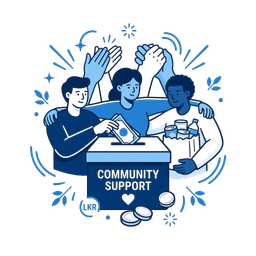
For centuries, people have voluntarily pooled their resources together for the mutual benefit of the community
By the beginning of last year, the number of people participating in mutual aid reached 300+ million in China alone
For centuries, people have voluntarily pooled their resources together for the mutual benefit of the community
Join either, or both. Contributions are only drawn when the community approves a payout.

RURI's SAMUDANA pay-when-needed mutual aid platform saves our Members money by eliminating the significant costs associated with insurance providers, including commissions, distribution, and underwriting.

Unlike traditional insurers, RURI employs blockchain technology to allow its Members to vote on claims, ensuring a transparent end-to-end process.

Traditional insurance involves complex rules and exclusions. In RURI's MAP, there's no underwriting and anyone can join. Members drive claim decisions, fostering inclusivity.
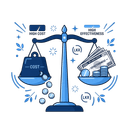
RURI's MAP only requires contributions when Members vote to approve a claim. This promotes fairness, transparency, and removes the need for initial premium payments.
| Web2 Mutual Aid | RURI | Digital Insurance | |
|---|---|---|---|
| Security/Privacy | Less Formal Contract | Smart Contract | Standard Contract |
| Inclusiveness | No Underwriting/Exclusions | No Underwriting/Exclusions | Rigid Underwriting, Strict Exclusions |
| Claim Process | Claim Decentralized | Decentralized | Centralized/Unilateral |
| Risk Management | Limited | Strong/Smart Contract | Rules and Ops Layers |
| Payment | Limited | Transparency/Automated | No Transparency |
| Affordability | Low | Lowest Cost | Less than Conventional but Still Costly |
| Geography | Limited | Inclusive/Global | Restricted/Highly Regulated |